
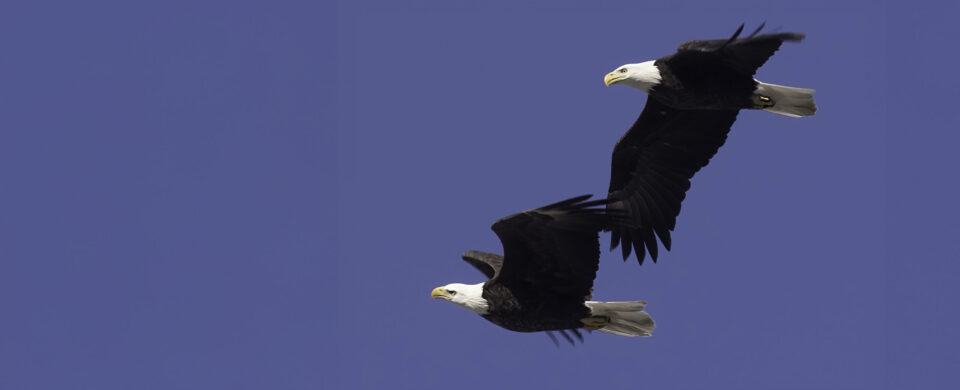
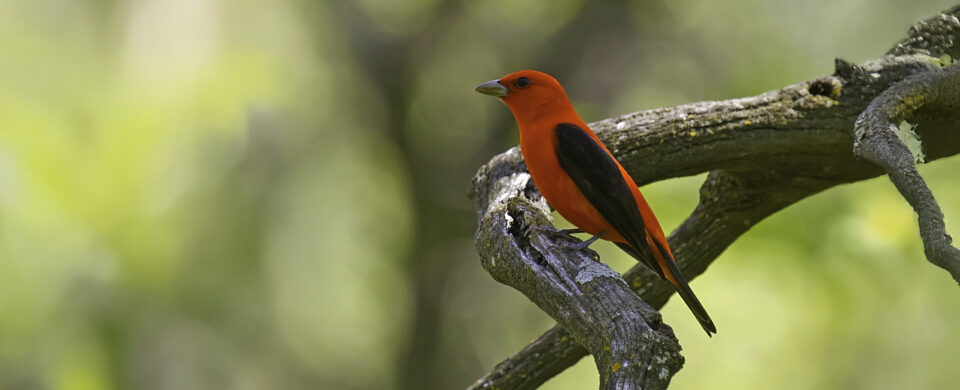
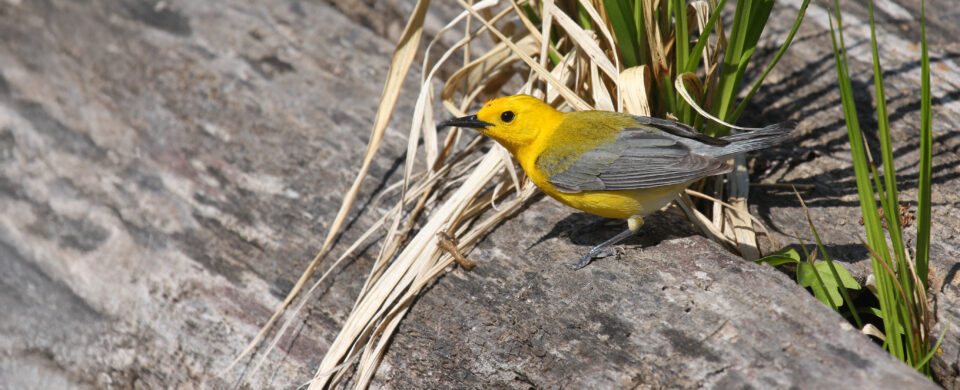
This site is a portal to all plants and animals photographed within Fontenelle Forest and Neale Woods Nature Reserve.
Featured Species
Did You Know?

Red-headed woodpeckers catch their prey on the wing and nest in dead, decaying trees. This makes open understory habitats such as oak savannas an ideal habitat for these woodpeckers.
READ MORE

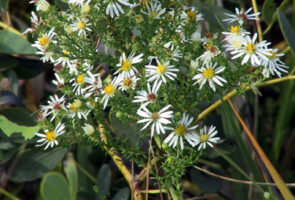
One of the latest blooming plants in our area, heath aster serves as an important late-season food source for pollinating insects. It is an important late-season food for monarch butterflies as they migrate in the fall.
READ MORE

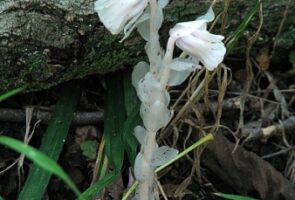
Ghost Pipe is a parasitic plant that produces no chlorophyll. It relies on an association with a mycorrhizal fungi. This fungi colonizes the roots of the plant, extracting nutrients from surrounding trees, making them available to the plant.
Mycorrhizal associations are common among many conservative species of plants, and are an emerging field of study in the understanding of more uncommon species.
READ MORE
5 Tips for Capturing Your Fontenelle Forest Experience
- Embrace your inner explorer. Go on a nature scavenger hunt!
- Use free apps to identify the plants and animals you encounter.
- Take the path less traveled.
- Did you discover something cool on your hike? Take a picture instead of taking it with you!
- Not ready for a solo adventure? Sign up for a program or guided hike!
Read the Full Blog
